
Comet panSTARRS – A simple guide on how to see it
How to see comet panSTARRS
Comet panSTARRS and the Moon March 12th 2013 (comet shape for illustration only) Credit: Meteorwatch
From the 7th of March 2013 and for the rest of the month, comet panSTARRS will be in the early evening skies of Northern hemisphere.
The comet has been visible to the naked eye in the Southern hemisphere and was bright enough to be seen in twilight skies from places such as New Zealand.
Hopefully Northern hemisphere countries such as the USA, Europe and Asia will get a chance to see one of this year’s bright comets. (more…)
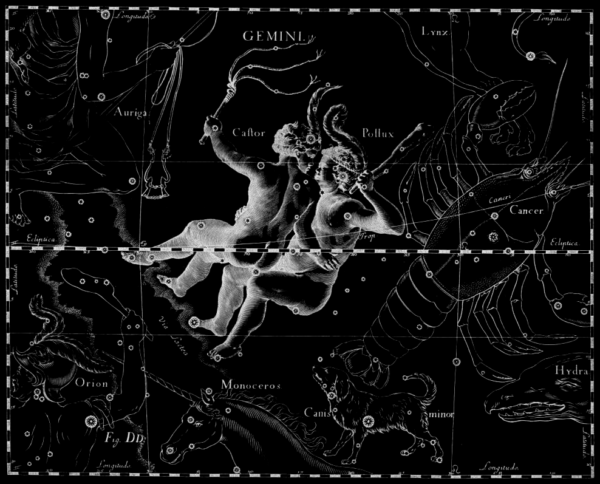
Night Sky Guide March 2013
Night Sky Guide – Tonight’s Sky: March 2013
Your guide to constellations, deep – sky objects, planets and events, Tonight’s Sky, (more…)
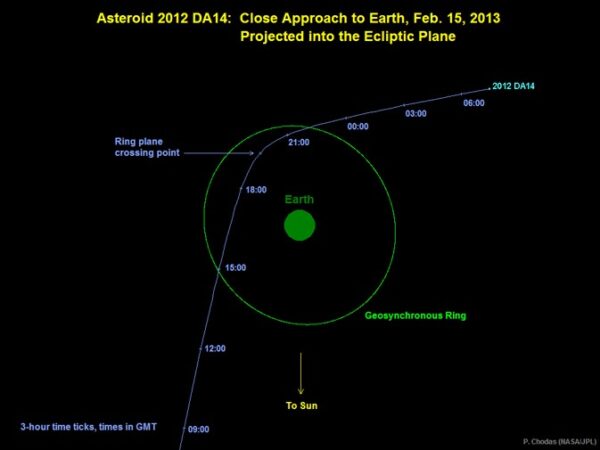
Watch Asteroid Flyby LIVE!
Watch The Asteroid Flyby LIVE!

ISS (International Space Station) UK Passes February 2013.
ISS UK Pass details for February 2013.
Long Exposure photo of a visible ISS pass Credit: Mark Humpage
The International Space Station (ISS) is back over UK skies with bright passes during February 2013.
The ISS is a large Space Station/ laboratory orbiting the Earth, it can be spotted with the naked eye at certain times as it orbits the planet at 17500mph at an altitude of roughly 200 miles.
Spotting the ISS is very easy and you don’t need any special equipment, only your eyes. (more…)
Stargazing LIVE returns for a third three-night series
Professor Brian Cox and Dara O Briain host three nights of stargazing and discussion, live from Jodrell Bank. Featuring guest experts and link-ups to observatories around the world. Credit: BBC[/caption]


