by VirtualAstro | Oct 22, 2018
Hunters Moon 2018 – October’s Full Moon
This months Full Moon also known as the Hunters Moon in folklore, occurs on October 24th 2018 at 17:45 BST. It is one of the years most striking Full Moons, due to the time of year with autumn well underway.
(more…)

by VirtualAstro | Oct 21, 2018
Novembers Full Moon – The Full Beaver or Frost Moon
Novembers Full Moon – Also known as the Full Beaver or Frost Moon in folklore, is the first Full Moon of winter. Most of the leaves have fallen, the air is crisp and the ground is damp and cold. Once full, the Full Moon will illuminate the early winters night time scene.
(more…)

by VirtualAstro | Oct 15, 2018
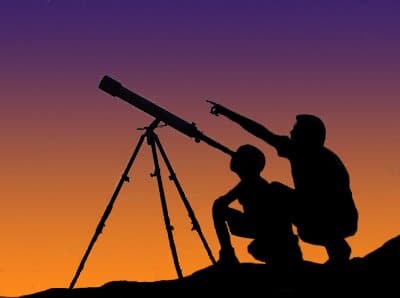
Telescopes Made Easy – The Simple List Of What to Buy
Telescope List: Telescopes are tough to choose and confusing. There’s this type and that type. Big ones and small ones. Wooden ones. Plastic ones and telescopes made of metal. Telescopes with mirrors. Telescopes with lenses. Some long. Some short. Computerised, equatorial and manual. The list of different features, specifications and options goes on and on! Which one do you choose?
You can buy astronomy magazines. Read all the ads and research the internet. Ask around, seek advice and spend a lot of time deciding on the right telescope. Time-consuming and confusing for many!
Don’t worry, help is at hand.
This isn’t a guide to choosing telescopes, it’s a telescope list! There are guides on this site, such as Beginners Telescopes – The Best Telescope Guide and Review. This article lists telescopes in a simple way. What they do and suitability for you! (more…)

by VirtualAstro | Sep 9, 2018
ISS Long Exposure photo of a visible ISS pass Credit: Mark Humpage
UK ISS Pass details for Autumn 2018
The International Space Station (ISS) is back over UK skies with some great evening passes during Autumn 2018.
The ISS is the largest Space Station/ laboratory ever built, it can be spotted with the naked eye at certain times as it orbits Earth at 17500mph at an altitude of roughly 200 miles.
Spotting the station is very easy and you don’t need any special equipment. You only need your eyes! Read the rest of this post to find out when and how you can spot the station this autumn.
(more…)

by VirtualAstro | Jul 23, 2018
Credit: Maxwell Palau from the VirtualAstro Flickr group
Lunar Eclipse July 2018
Lunar Eclipse July 2018 – July is proving to be a fantastic month for stargazers. This is due to all of the naked eye planets on view, warm star filled skies and a lunar eclipse (Blood Moon) at the end of the month.
This isn’t just any old lunar eclipse though, it’s going to be the longest in over a century!
(more…)

by VirtualAstro | Jul 17, 2018
Perseid Meteor Shower 2018
The Perseids – Perseid Meteor Shower 2018 is visible late July and through August. Maximum Perseid meteor activity is on and around 11/12/13 August. The Perseids are one of the most prolific and best-known meteor showers.
In 2018 there is no Moon present during the peak of the meteor shower. Consequently even more meteors will be visible due to dark skies! We will have perfect viewing conditions compared to other years if skies stay clear. Don’t miss natures firework display!
Prepare yourself for this coming cosmic spectacle and how to enjoy your #meteorwatch.
(more…)

by VirtualAstro | Jul 16, 2018
UK ISS Pass details for Summer 2018
ISS Long Exposure photo of a visible ISS pass Credit: Mark Humpage
The International Space Station (ISS) is back over UK skies with some great evening passes during Summer 2018
The ISS is the largest Space Station/ laboratory ever built, it can be spotted with the naked eye at certain times as it orbits Earth at 17500mph at an altitude of roughly 200 miles.
Spotting the station is very easy and you don’t need any special equipment. You only need your eyes!
For times and info (more…)

by VirtualAstro | Mar 22, 2018
UK ISS Pass details for Spring 2018
ISS Long Exposure photo of a visible ISS pass Credit: Mark Humpage
The International Space Station (ISS) is back over UK skies with some great evening passes during Spring 2018
The ISS is the largest Space Station/ laboratory ever built, it can be spotted with the naked eye at certain times as it orbits Earth at 17500mph at an altitude of roughly 200 miles.
Spotting the station is very easy and you don’t need any special equipment. You only need your eyes!
For times and info (more…)