by VirtualAstro | Dec 29, 2018
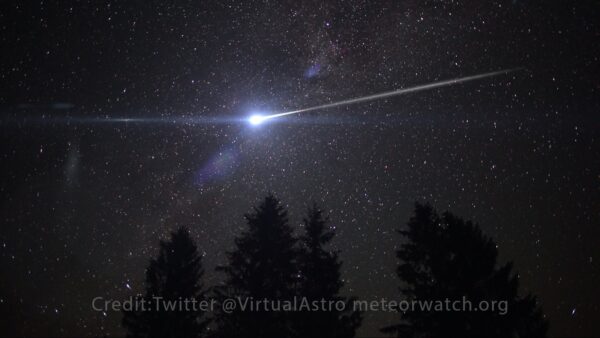
The Quadrantid Meteor Shower 2019 is above all others this year the one to watch. In fact, It will probably be the best meteor shower of the year.
But why? “Aren’t the Perseids in August and Geminids in December the best?” I hear you say. They aren’t this year I’m afraid.
Read on to find out why the Quadrantids above all others could be the best meteor shower of 2019
(more…)
by VirtualAstro | Dec 27, 2018
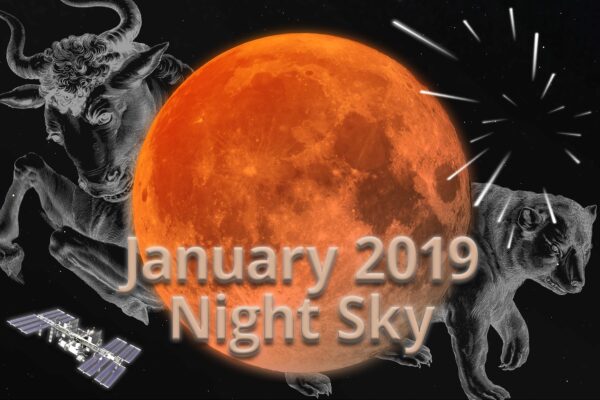
January 2019 is upon us and first of all, I would like to wish you Happy New Year!
Did you get a telescope or binoculars for Christmas? Maybe an astronomy book or new camera? January 2019 is perfect for getting started. You can certainly count on long dark nights and crisp starry skies. As long it stays clear.
January 2019 is a fantastic month for stargazing. Whether you are a beginner or seasoned stargazer. There is something for all.
Read on to find out even more about the night Sky in January 2019.
(more…)

by VirtualAstro | Dec 7, 2018
Lights in the Sky – Have you Seen a UFO Flash or Streak in the Night Sky?
Have you seen lights in the night sky recently? Or what you may think is a UFO flash, streak, or fly across the heavens in the dead of night?
If you have, read on!
(more…)

by VirtualAstro | Dec 4, 2018
Illustration by @VirtualAstro
A Bright Comet in the Sky
Comet 246P/Wirtanen: December 2018 is packed full of objects and events for the casual stargazer. Comet 46P/Wirtanen being another one of them this month.
Read on to find out more about this fabulous object and how to see it in December’s night sky.
(more…)

by VirtualAstro | Nov 30, 2018
Long Exposure Image of ISS pass. Credit: VirtualAstro
Beginners Guide to Seeing the International Space Station (ISS)
The International Space Station (ISS) is a huge space station orbiting Earth that serves as an orbital laboratory, factory, testing ground and home; Crew members conduct experiments from biology to astronomy. Including experiments for prolonged exposure to life in space for future missions to the Moon and beyond.
The ISS is major accomplishment for NASA (US), ESA (Europe), JAXA (Japan) CSA (Canada) and all the countries involved (16 in all). The space station is just over 72 m long by 108 m wide and 20 m high. Maintained at an orbital altitude between 330 km (205 mi) and 410 km (255 mi). It travels at an average speed of 27,724 kilometres (17,227 mi) per hour. Completing 15.7 orbits per day.
How to Look for The International Space Station (ISS)
One of the best things about the ISS is that you can see it with your own eyes from Earth! Therefore, it’s very easy to watch the International Space Station pass over your own backyard! (more…)